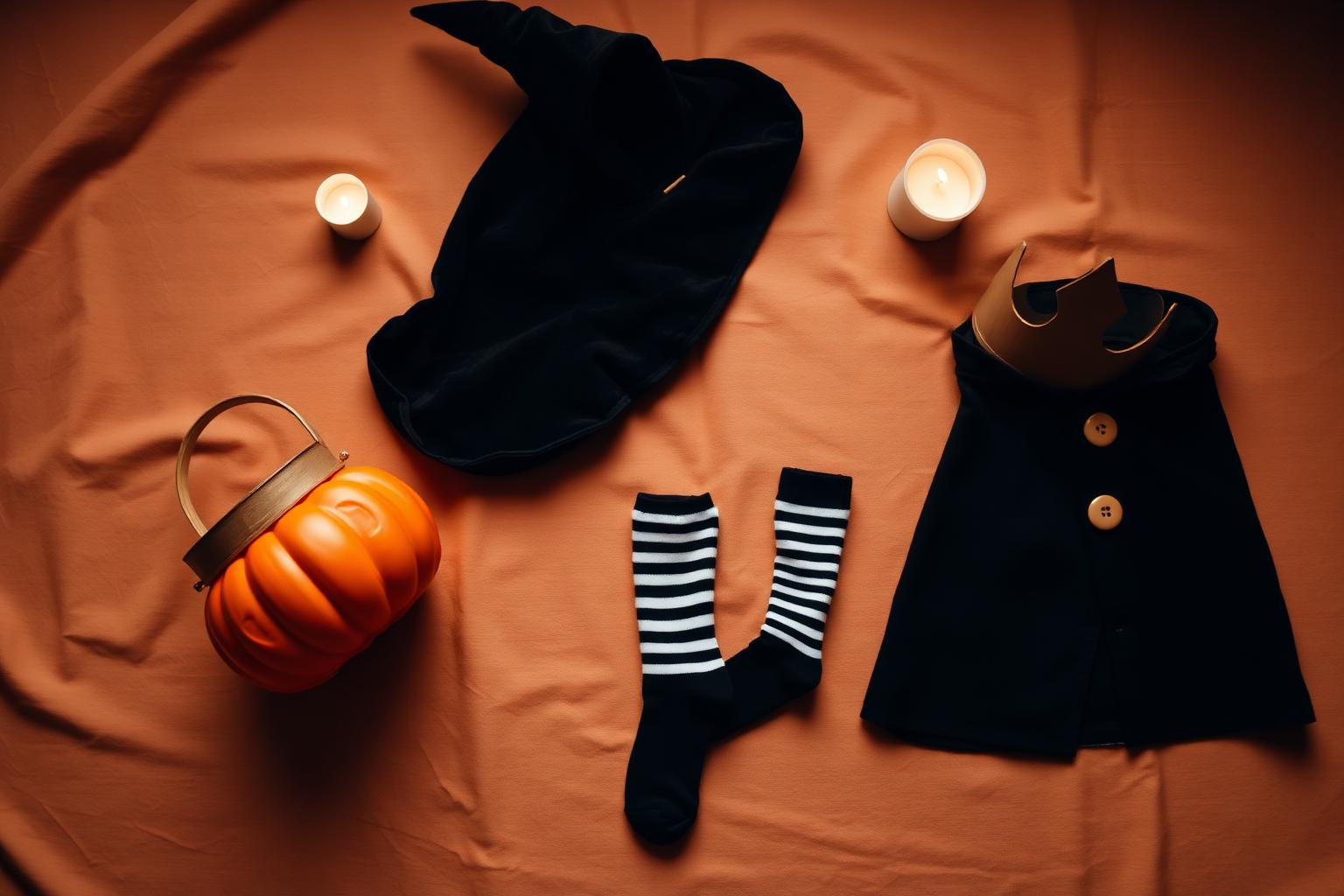
The tolerance scale, and why it decides everything
Almost every disappointing pet costume photo has the same cause: the costume was chosen for how it looked on a model and not for what the animal would accept. So this list is ordered by tolerance rather than by theme. Level one is a collar accessory your pet will forget within a minute. Level five is a structured outfit that only a genuinely unbothered animal will wear for the length of a party.
Be honest about where yours sits, and be honest that cats are almost never above level two. A cat in a full-body costume typically does the flop — the sudden collapse into immobility that looks like protest and is actually a stress response to unfamiliar pressure on the back and shoulders. That is not a photo worth having. Dogs vary far more: a placid retriever may genuinely not care, while a sensitive terrier will spend the evening trying to reverse out of a sleeve.
The test is simple and takes a week. Put the costume on, give a treat, take it off after thirty seconds. Repeat daily, adding time. If your pet stays loose and waggy, keep going. If they freeze, flatten their ears, tuck their tail, lick their lips repeatedly, or try to shake it off, you have your answer — drop a level and stop. A collar bandana on a happy dog photographs far better than a full costume on a miserable one, every single time.
Level 1 and 2: collar-only and near-invisible (Ideas 1–6)
Idea 1: the bandana with a joke on it. A simple triangle bandana over the collar, in black with a small motif. Almost no animal objects, it takes two seconds, and it photographs surprisingly well because it sits right under the face where the camera is already pointed.
Idea 2: the pumpkin-orange harness swap. If your dog already wears a harness, buy a second one in burnt orange and use it only through October. Zero adjustment period, because it is a thing they already wear. This is the single highest-success 'costume' on the list.
Idea 3: the bat-wing harness. Soft felt wings that clip to an existing harness rather than a separate garment. The weight sits on gear the dog already accepts, which is why it works where a full cape does not.
Idea 4: the flower-and-bone collar wreath. A small fabric wreath that slides onto the collar, in dried-bloom colours. Reads as autumn rather than costume, which suits dogs who won't accept anything obviously novel.
Idea 5: the spider legs. Four felt legs on a strap across the back. Works because it is one strap, not a sleeve — nothing goes over a leg or the head, which is where most refusals happen.
Idea 6: cats, the bow tie. This is genuinely where cats end for most households. A breakaway collar with a small black bow tie, and a photo taken while they sit on the thing they were already sitting on. Accept this and your evening will go well.
Level 3 and 4: real costumes for agreeable animals (Ideas 7–12)
Idea 7: the hot dog. It endures because it is essentially a padded tube with leg holes and no headpiece, which is the easiest structure for a dog to accept. Long-bodied breeds look absurd in it, in the correct way.
Idea 8: the lion mane. A ring that slips over the head and sits on the shoulders like a collar. No sleeves, no belly strap, and the dog can still move completely normally. Consistently the highest tolerance-to-impact ratio of any full costume.
Idea 9: the ghost sheet, tailored. Not a sheet thrown over an animal — that covers the eyes and will be refused immediately. A cut piece of light fabric with proper eye holes and a strap under the chest, so it drapes without blinding them.
Idea 10: the tiny pumpkin. A padded orange body with a green stem hat. The hat is the failure point; buy one where the hat is separate so you can abandon it and keep the body.
Idea 11: the dinosaur back. Spiked fabric ridge on a back strap, no head covering. Same principle as the spider legs, scaled up.
Idea 12: the matching human. Not a pet costume at all — you dress as the thing, and the pet wears a level-one accessory that completes the joke. All the payoff, none of the negotiation.
Three ideas for the truly patient animal (Ideas 13–15)
Idea 13: the postal worker, the nemesis costume. Full uniform, hat included. Only for dogs who have already proven they'll wear a structured outfit for twenty minutes.
Idea 14: the two-dog pair costume. Front and back halves of one creature. Requires two animals who both tolerate costumes and will stand near each other, which is a rarer combination than it sounds.
Idea 15: the full production number with a wagon. If you already walk your dog in a wagon or stroller, decorate the vehicle rather than the animal. The set does the work, the pet wears a bandana, and you get the most elaborate photo on the list from the most comfortable animal on the list.
Fit, safety, and the night itself
Measure three things before buying: neck circumference, chest at the widest point behind the front legs, and length from the base of the neck to the base of the tail. Size charts vary wildly between makers and breed labels are useless — a 'medium' means nothing across two different brands. When you land between sizes, go up; a loose costume is an annoyance, a tight one is a welfare problem.
Then check four things on the costume itself. Nothing may restrict panting, since dogs cool themselves by panting and a tight neckpiece is genuinely dangerous. Nothing may cover the eyes or block peripheral vision. Nothing dangly may be chewable and swallowable — inspect small beads and felt appliqué and remove anything loose. And nothing should press on the throat; weight belongs on the chest, which is exactly why harness-mounted accessories outperform neck-mounted ones.
On the night, remember that a costumed animal in a house with a constantly opening front door is a flight risk. Doorbells and strangers in masks unsettle even confident dogs. Put your pet in a back room with a chew and the television on, take the photos earlier in the day, and check the microchip details are current before the last week of October rather than after.
Curated picks for this guide
We may earn a commission from these links at no cost to you — here's how that works.
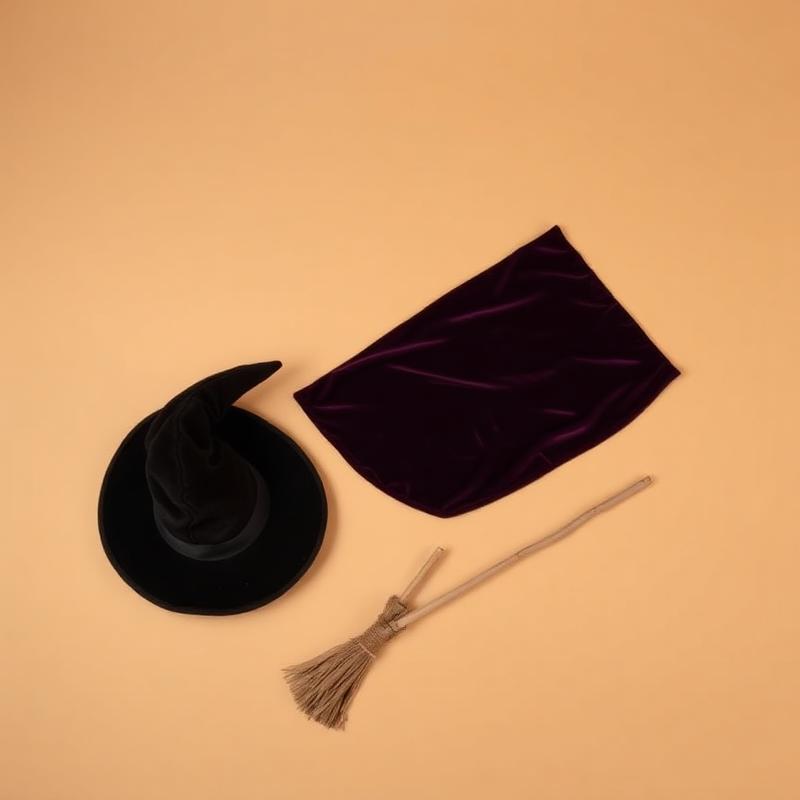
Classic Witch Costume Kit
A pointed velvet hat, plum cape, and twig broom in one box — the backbone of about a dozen family costume combinations.
Curated pick · Available at Amazon
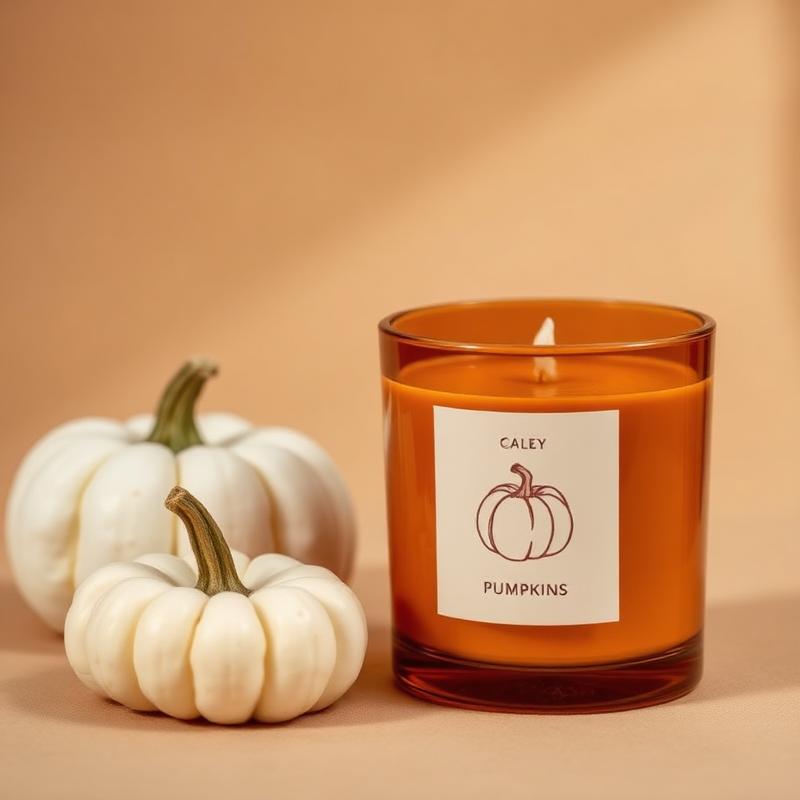
Pumpkin & Cedar Amber Candle
Pumpkin, cedar, and clove in an amber glass vessel. Light it an hour before guests arrive and the house does the rest.
Curated pick · Available at Etsy
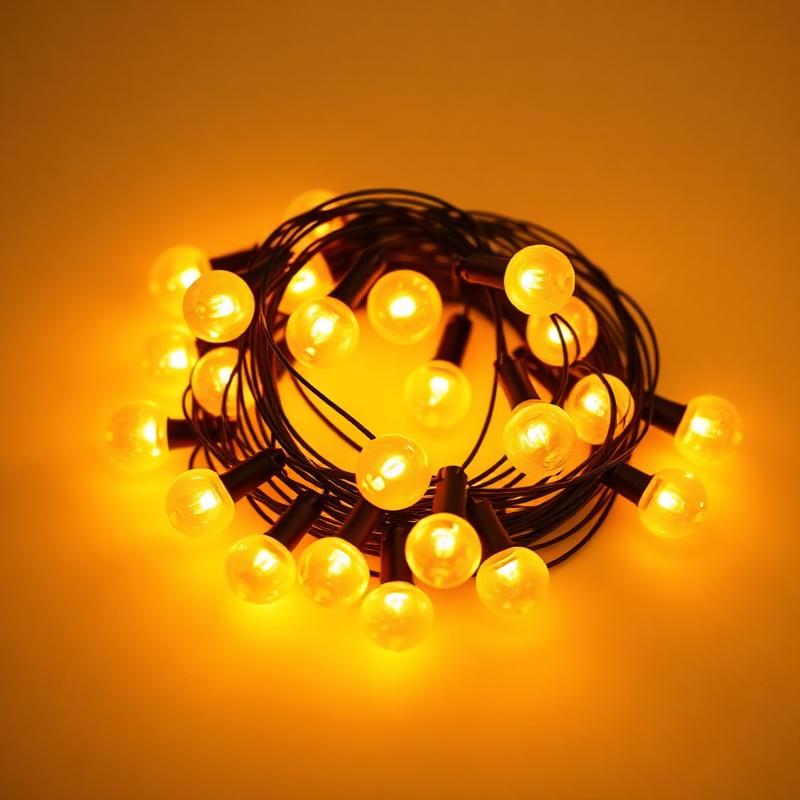
Warm Amber Globe String Lights
Outdoor-rated amber globes on a dark cord. String them along the railing — not the roofline — for that golden-hour glow all night.
Curated pick · Available at Amazon
Save this for later
Pin this guide to your Halloween board
October comes around fast. Save this now and future-you — standing on the porch with a stapler and a dream — will be grateful.
Save to PinterestFrequently asked questions
How do I know if my pet actually hates the costume?
Look for freezing or refusing to walk, ears flattened back, tail tucked, whale eye (whites showing), repeated lip-licking or yawning when not tired, and any attempt to shake or paw it off. Any of these means take it off. A relaxed animal keeps moving normally, holds a loose body posture, and still takes treats.
Are cat Halloween costumes ever a good idea?
For the vast majority of cats, stop at a breakaway collar with a bow tie or bandana. Cats respond badly to pressure across the back and shoulders and often freeze completely. If your cat genuinely tolerates more, keep it to under ten minutes and never leave them unsupervised in it.
How far in advance should I introduce the costume?
About a week. Thirty seconds on day one paired with a treat, then build up gradually. Buying a costume on the 30th and putting it on for the first time on the 31st is how you end up with a distressed animal and no usable photos.
What size should I order if my dog is between sizes?
Size up. Measure neck circumference, chest at its widest point, and neck-to-tail length, then check that specific brand's chart — sizing is wildly inconsistent between makers, and breed-based labels like 'for a beagle' tell you nothing useful.
Can my pet wear a costume while trick-or-treating?
Only if they're comfortable in crowds, and only in something that leaves vision and panting unrestricted. Add a reflective strip or a light-up collar, because most costume fabric is dark and drivers genuinely cannot see a black-clad dog at dusk. If your pet is at all reactive to strangers or masks, leave them at home.